Emergency Springs · Heritage Park
Garage Door Cable Replacement in Heritage Park
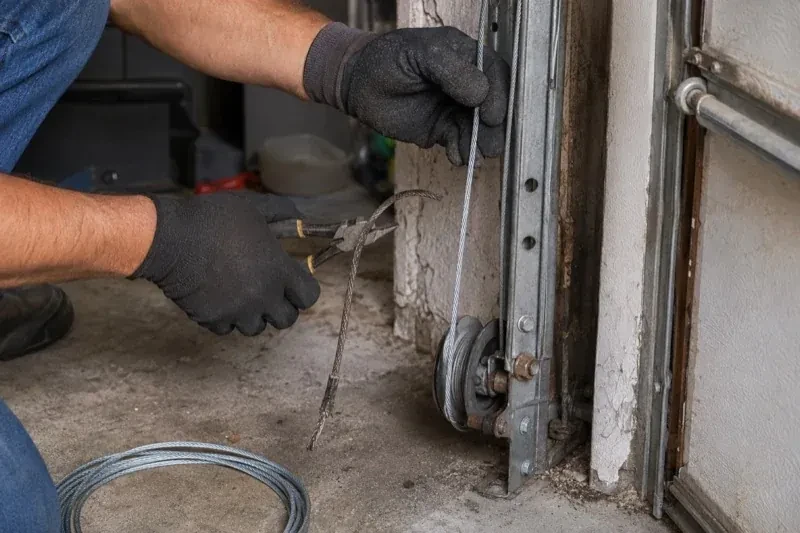
The car bumper kissed the door on the way in. The bottom panel has a dent, the bracket in that corner sits crooked, and the cable on that side has jumped and gone slack, so the door reverses every time it tries to close.
Call now · open 24/7(289) 907-1866Right now
Before the door is looked at
Call (289) 907-1866, open 24/7.
Never run the opener on a door that is off its track or hanging crooked; every cycle drives the racked door harder into the rails and can pull the track from the wall or tear a hinge.
Pull the manual release only when the door is fully closed unless a technician asks otherwise; a door disconnected while partly open can move on its own if the springs are out of balance.
In plain words
Garage door cables carry the weight of the door as tension held by the springs, which is why the work follows a careful, well-rehearsed sequence rather than simply hooking a cable back on. On a torsion system the technician clamps the door, disconnects the opener and unloads the springs with winding bars before any cable, drum or bracket is touched; on an extension system the door is instead raised fully and clamped so its pulley-mounted springs relax. Once the system is unloaded, replacing the cables is straightforward: the correct length is set, and the counterbalance is tensioned and locked off by the method that system calls for.
How the visit goesYour older door has springs along the tracks, and one cable has slipped off its pulley and dangles slack. The door lifts crooked and needs a shoulder to close, when it used to glide.
Garage Door Cable Replacement · Heritage Park
How the visit goes
- 1
Torsion or extension, and which lift
The technician identifies the counterbalance before choosing parts. A shaft with drums above the header means a torsion system; springs stretched beside the horizontal tracks with pulleys mean extension. Then the lift type: standard lift on most attached garages, low headroom hardware where the ceiling is tight, and high lift where the door climbs well above the opening before turning. Each uses a different drum profile and a different cable length, and a double door of the same height may need a heavier cable than a single. Reading these details correctly is what makes the replacement cable wind evenly on the drum instead of overlapping.
- 2
Balance, travel and the opener
With the springs wound and the clamps off, the technician lifts the door by hand. It should rise with light effort, hold still at roughly waist height, and settle to the floor without slamming; that is the balance test, and the spring turns are adjusted until it passes. The door is run through several full cycles by hand while the cables are watched on the drums. Then the opener is reconnected, its travel limits and force settings are checked against the newly balanced door, and the reversing test with a block under the door and the photo-eye test are carried out. You see each of these done.
- 3
A door that runs level and quiet
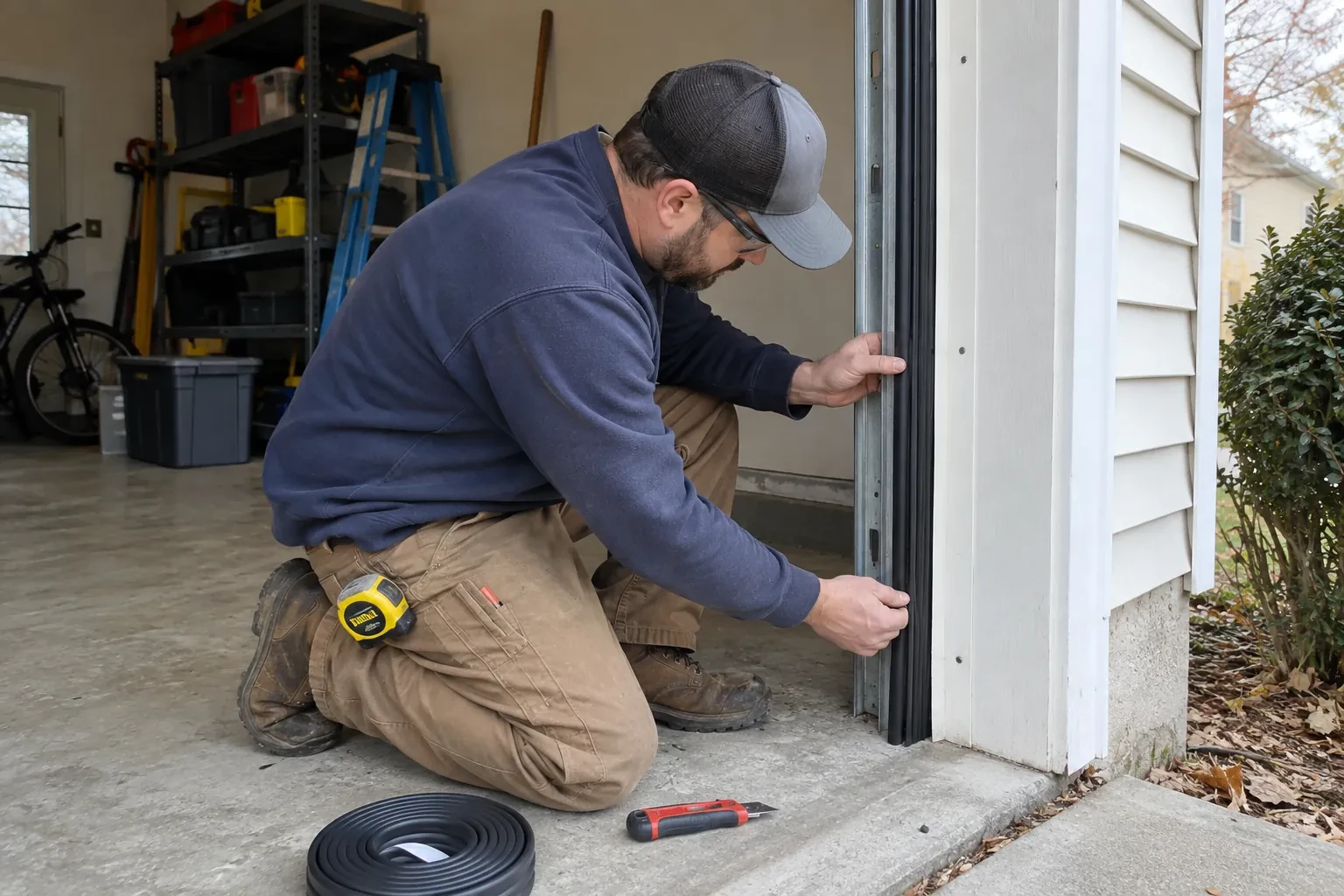
The first thing you notice is a door that rises squarely, with both bottom corners leaving the floor together and the top section staying flat as it turns into the horizontal track. The bottom seal meets the slab along its whole length, so the draft and the strip of daylight at one corner are gone. The opener sounds calmer, because it is moving a balanced door rather than dragging a crooked one, and it stops reversing for no apparent reason. If you lift the door by hand with the opener released, it moves with light effort and holds where you leave it. That is what a correctly cabled door feels like.
In the van
- Extension-spring pulleys and sheave forks
- Containment cables
- Silicone garage-door lubricant
- Clevis pins and cotter pins
- Drum set screws
What affects the quote
- 1
Torsion or extension system
A torsion door with drums and an extension door with pulleys are different jobs with different parts, and the counterbalance type is the first thing that shapes the quote.
- 2
Corrosion and seized fasteners
Set screws and bracket bolts that have rusted solid take time to free or cut, and badly corroded hardware is replaced rather than reused, which shows in the parts list.
- 3
Oversized, commercial or high-lift doors
Doors taller or wider than a standard residential opening, or fitted with high-lift hardware, use heavier cables and drums and take longer to set up, which the quote reflects.
Same fees day, night or weekend.
Garage Door Cable Replacement: questions
How do I tell a cable problem from a spring problem?
Look above the door with it closed. A torsion spring that has broken shows a clear gap in the coil, and both cables usually go slack together because nothing is turning the shaft. A cable problem tends to show on one side only: a frayed length, a coil of loose cable, or one corner sitting higher. Either way the technician inspects both, since a weak spring is a common reason a cable fails.
Should I keep using the opener until the technician arrives?
It is better to leave the door where it is and use another way in and out. Running the opener against a crooked or cable-slack door tends to tangle the cable further, twist the top section and knock the door out of its track, which adds to the repair. Pull nothing and adjust nothing; simply keep the opening clear and let the technician take it from there.
Why is the door sitting crooked in the opening?
Each corner of the door is held by its own cable. When one cable stretches, slips its drum or breaks, that corner loses its lift and drops while the other stays up, so the door tips and usually wedges against the track. Setting both cables to the same length and tension is part of every cable replacement, and it is what brings the door back level.
Springs & Hardware
Bigger photo, sooner job: Emergency Book soon Plan ahead
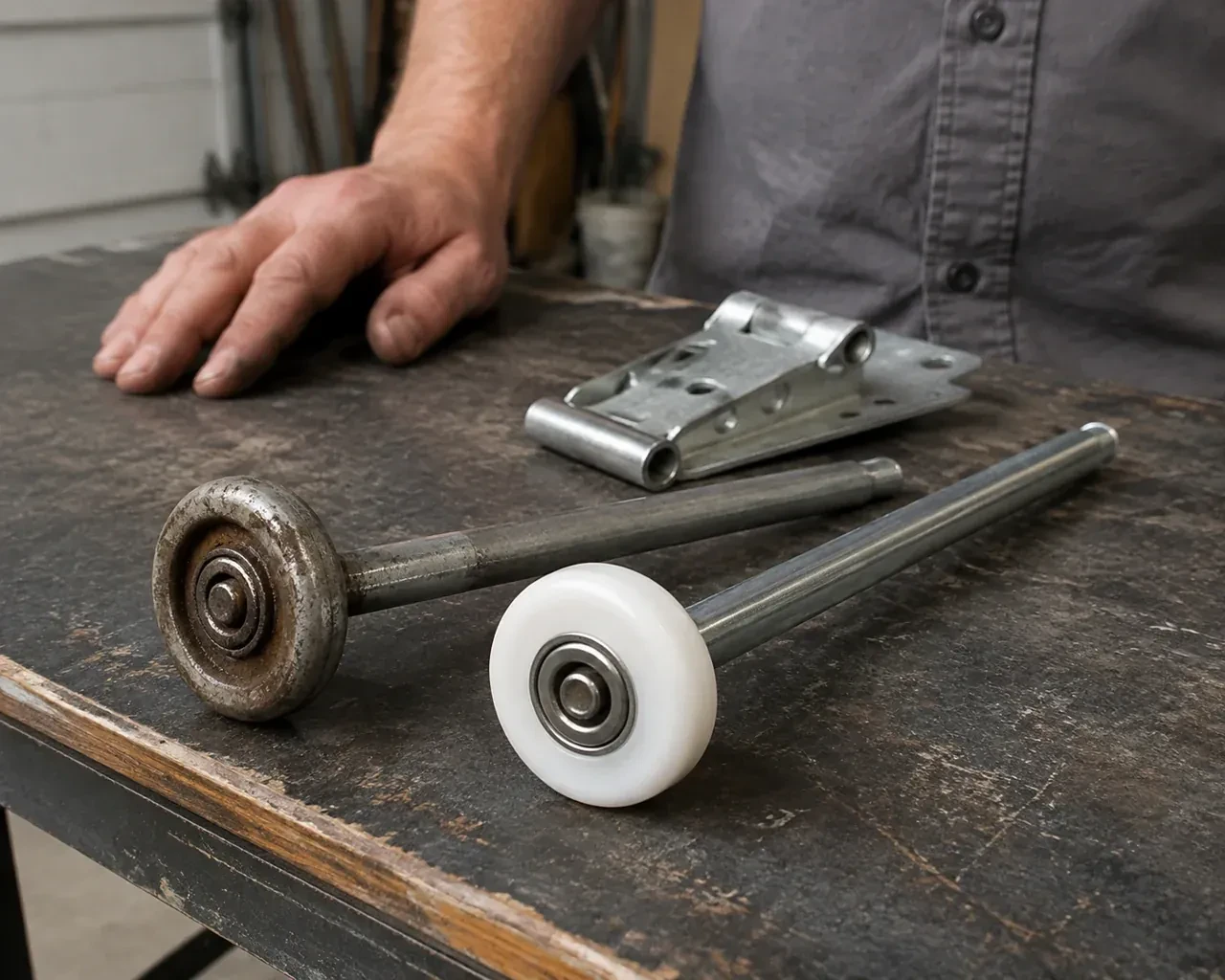 Book soonGarage Door Roller ReplacementThe door is the one the builder installed and has never had a part changed.
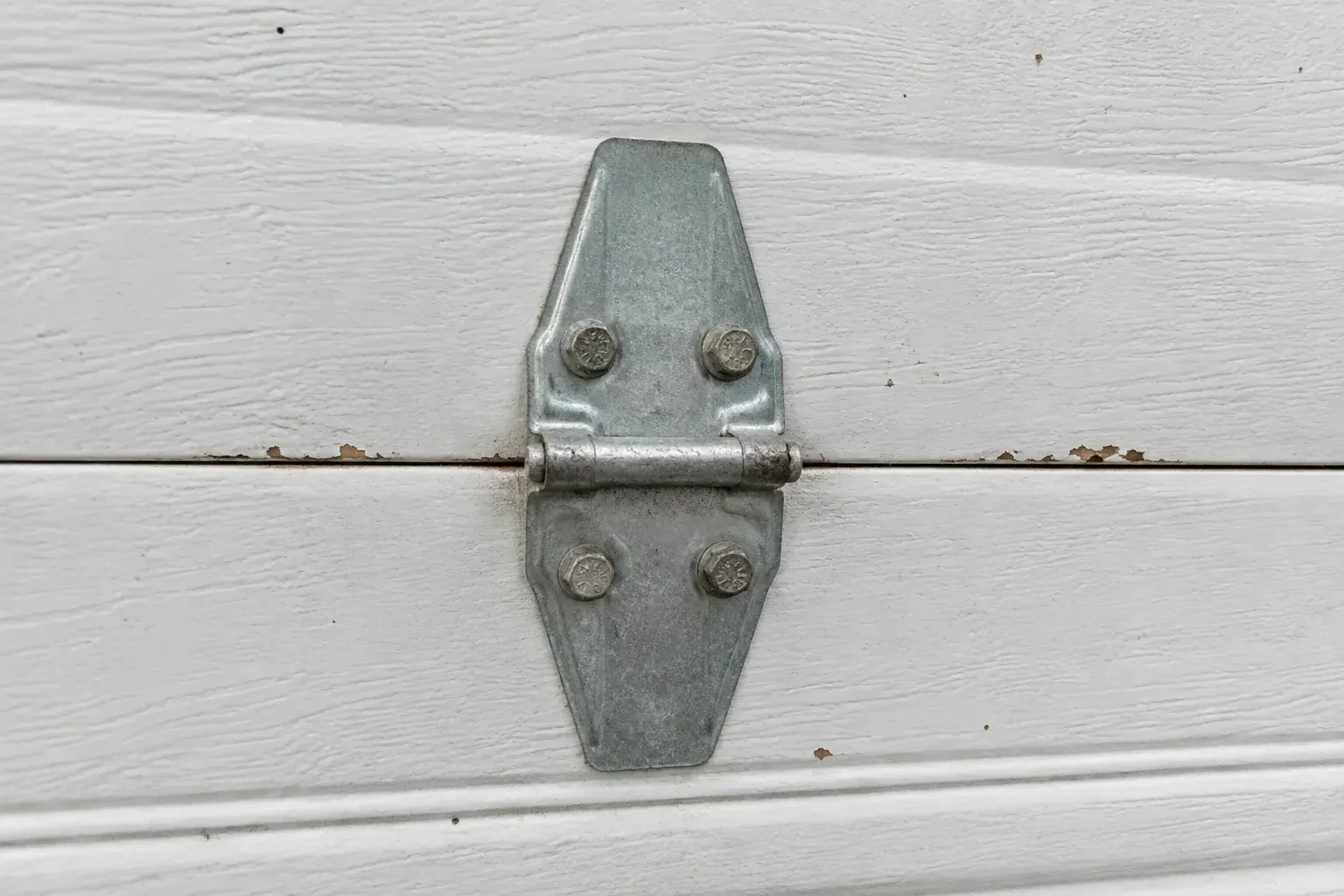 Book soonGarage Door Hinge ReplacementPressing a hand against one of the middle hinges makes it rock on the panel.
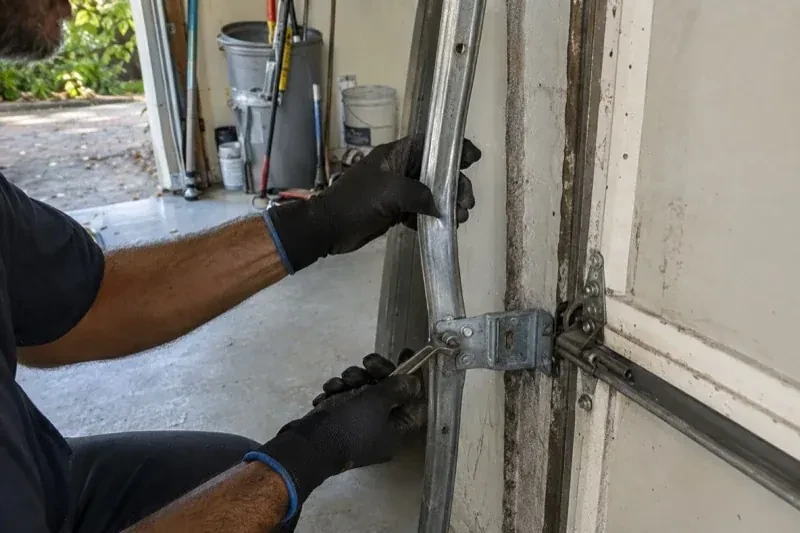 Book soonGarage Door Track Repair or ReplacementThe door climbs crooked, one side clearly ahead of the other.
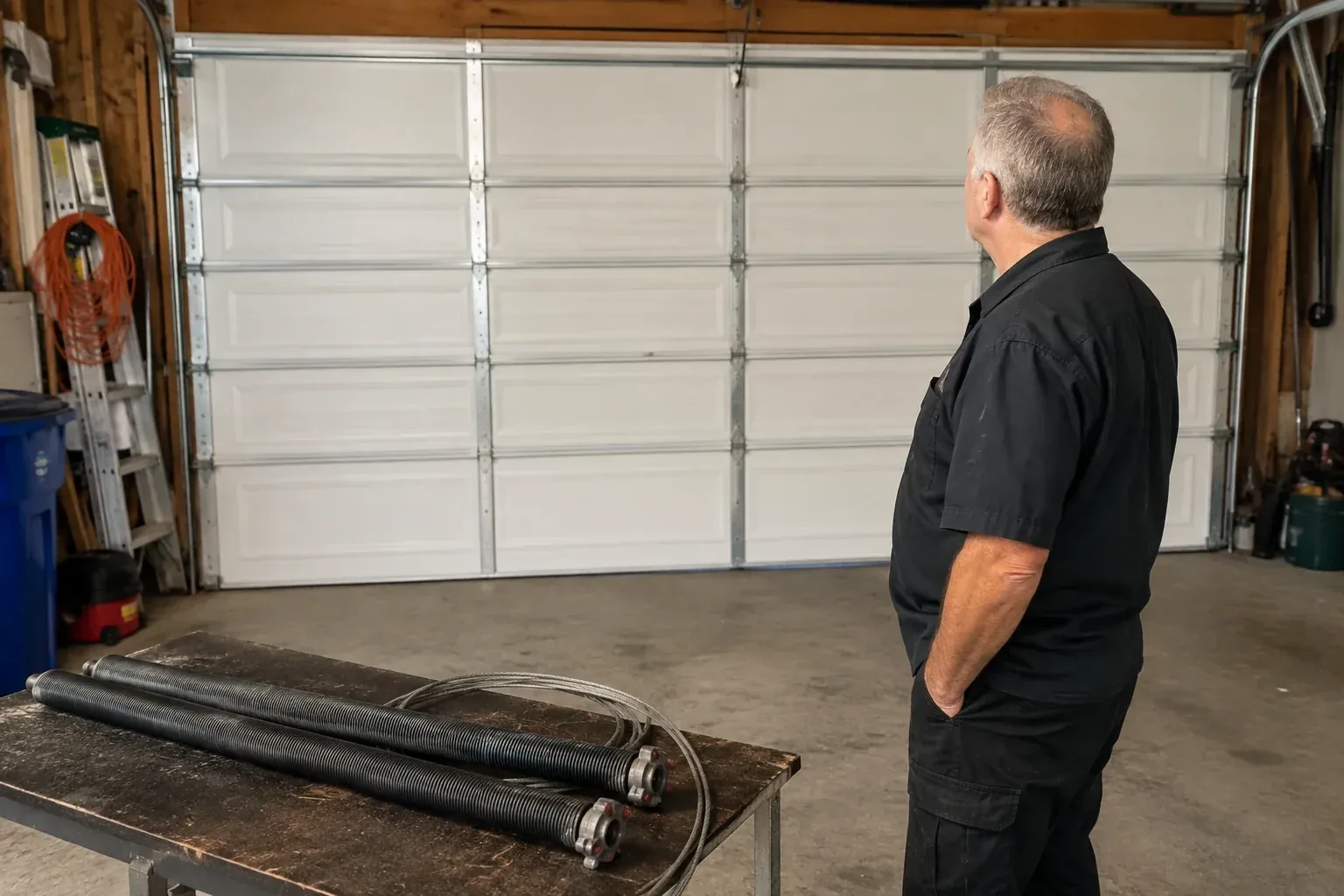 EmergencyTorsion Spring ReplacementLooking up at the coil above the door, you can see a clean split with a gap of several centimetres between the two halves.
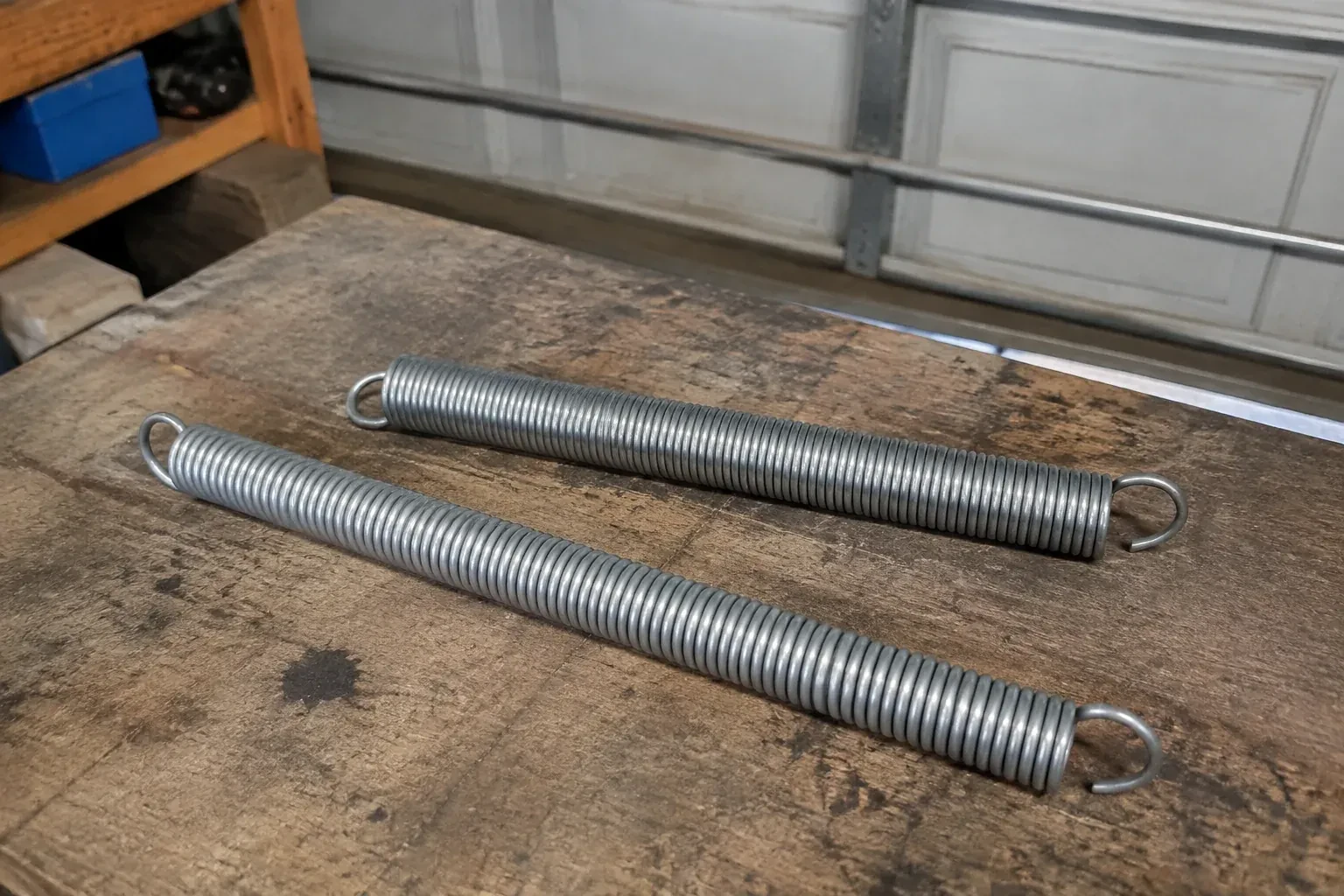 EmergencyExtension Spring ReplacementOpen the door by hand and it drifts back down on its own, a little at first and then all at once.
Garage Door Cable Replacement near you
York, Ontario
Heritage Park information
- Town
- Heritage Park, York, Ontario
- In business
- 27 years
- Hours
- Open 24/7 · nights, weekends and holidays, same fees
- Phone
- (289) 907-1866
- Visits
- On-site assessment preferred. Request a visit or call.
What the census means at the door
38%
Homes of every age. About 38% of homes in King were built in 1980 or earlier, according to the 2021 Census.
Where homes of different ages sit together, the common thread is that every door eventually needs springs, rollers, seals and a balance check. What differs is the spring type and the size, so the technician measures and matches rather than fitting a standard part.
87%
Mostly houses. Single-detached houses make up about 87% of homes in King (2021 Census).
Where houses are detached, a side door into the garage and an interior door into the house are common, so the garage door is one of several ways in. Making sure it closes fully, locks properly and has its old remote codes cleared keeps the whole house secure.
Open 24/7
Request a visit
The car bumper kissed the door on the way in.
Call now · open 24/7(289) 907-1866- On-site assessment preferred
- Same fees day, night or weekend
- 27 years in business