Book soon Openers · Ansnorveldt
Belt-Drive Opener Repair in Ansnorveldt
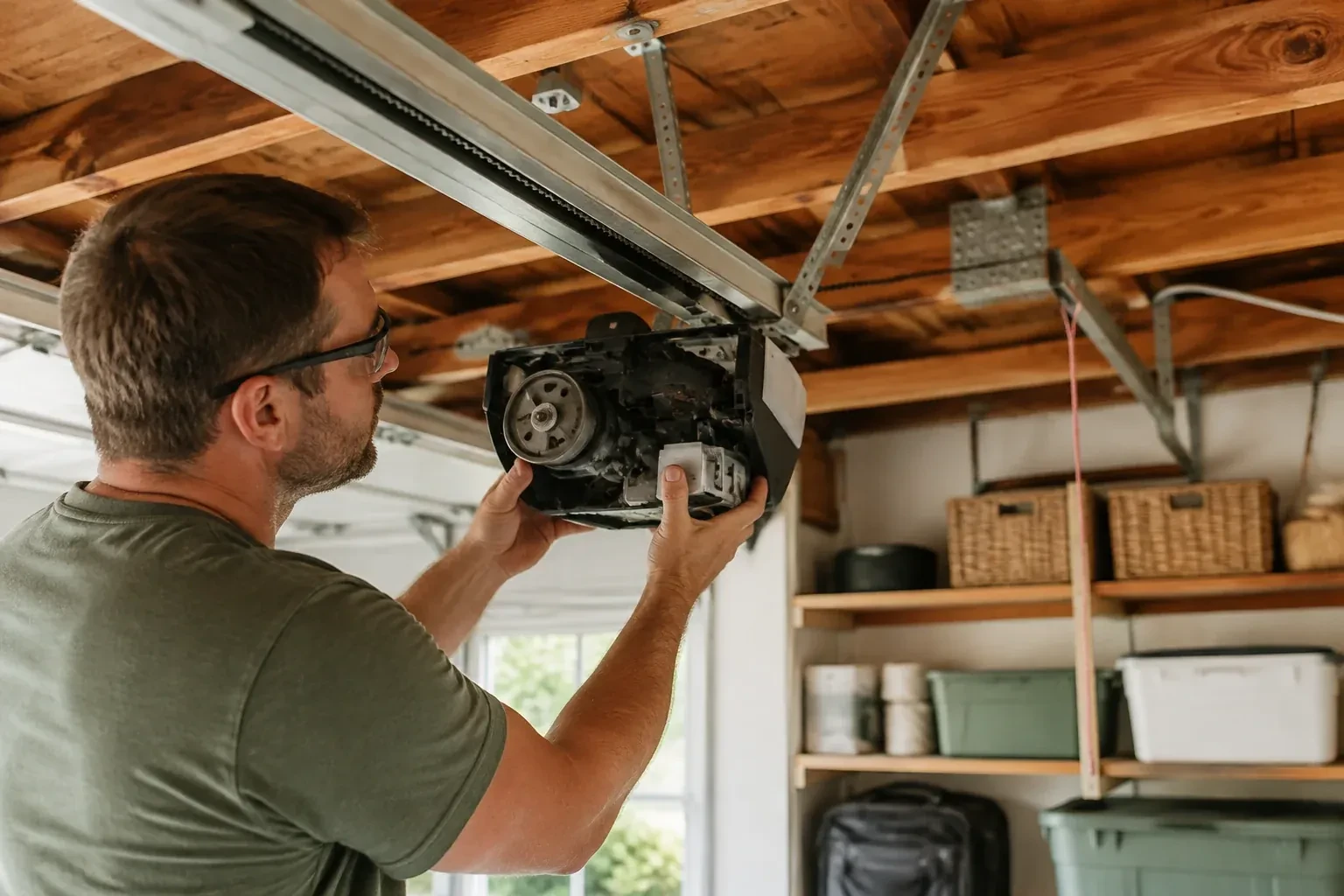
Someone tightened the belt last month to stop the sag. Now the opener sounds like a chain drive, the motor labours on the way up, and the whole rail vibrates under the ceiling.
Call now · open 24/7(289) 907-1866Right now
Before the door is looked at
Call (289) 907-1866, open 24/7.
Pull the release with the door fully closed whenever possible, and keep the opening clear as you do. Once the trolley lets go, the door is held by its springs alone, and a closed door can still shift unexpectedly.
Never raise the force setting to push a door through a frozen seal, a stiff track or a tired spring; force is set as low as reliably closes the door, and the reason the door is hard to move is fixed instead.
In plain words
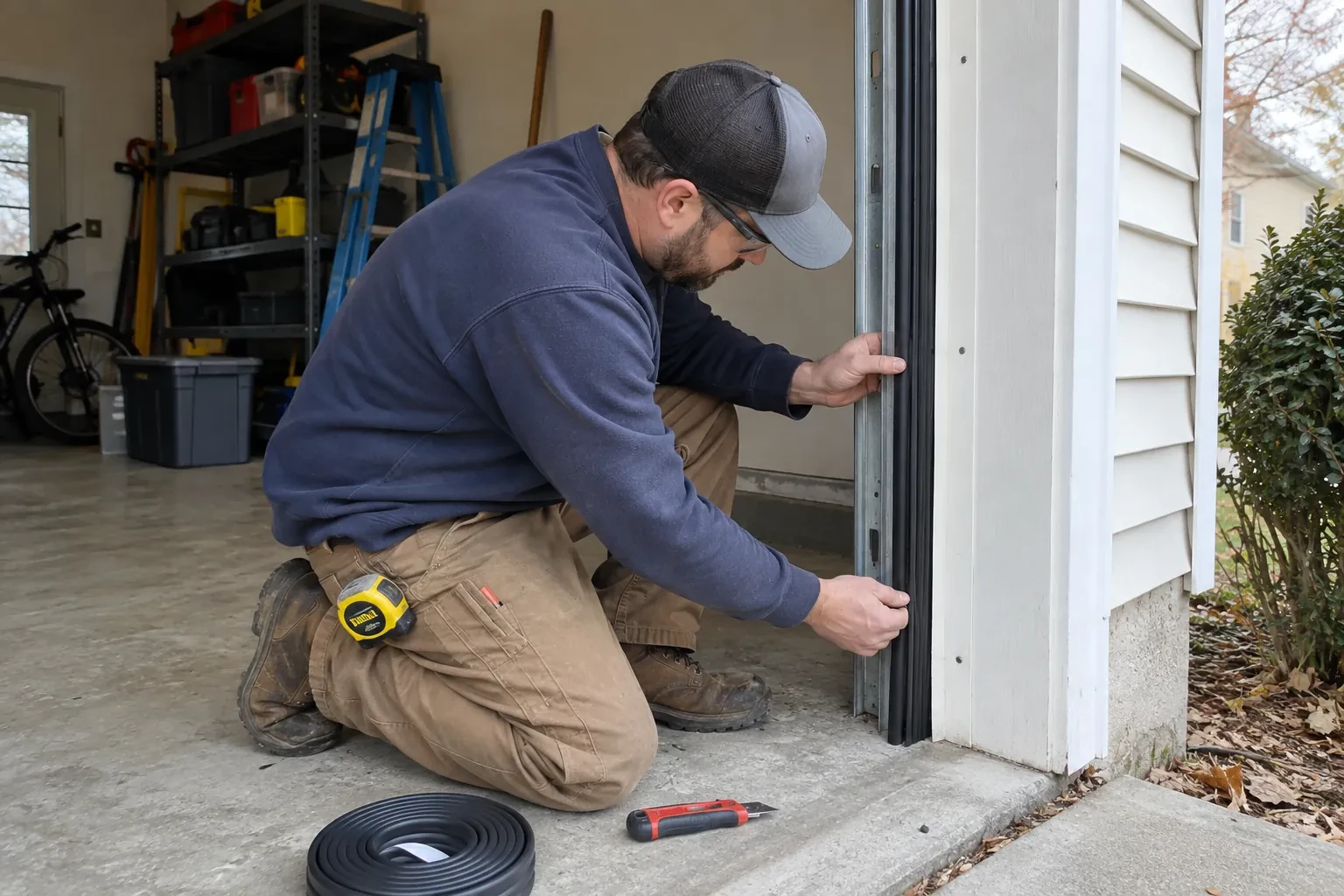
Winter is a good season to have a belt drive looked at. Rubber stiffens in a cold detached garage, so a belt tensioned on a warm day can run tight and noisy in January, and a bottom seal frozen to the slab makes the operator reverse before the door has moved. Belt-drive opener repair in cold weather sets tension to the maker's specified measurement, frees a trolley release that has stiffened, frees a door frozen to the floor before the opener moves it, and puts a cold-rated lubricant on the door hardware. The belt stays dry; the hinges, rollers and springs get the care.
How the visit goesThe door used to glide up with a soft hum. Now there is a sharp clack every second or so, and if you stand underneath you can see the belt sagging below the rail and slapping it on the way up.
Belt-Drive Opener Repair · Ansnorveldt
How the visit goes
- 1
Rail, joints and whatever is rubbing
A belt frays for a reason, and the reason is usually somewhere along the rail. The technician sights the rail from the header to the motor head for a bend, a sag where a hanger has loosened, or a joint between rail sections that has stepped out of line and is catching the belt teeth each pass. Marks inside the rail show where the belt has been touching. Storage racks, a bicycle hook or a truck's roof rack lifting the rail are frequent finds. A straight, true rail lets a belt run for years without touching anything, so any of these is corrected as part of the repair rather than left to wear the new belt.
- 2
Idler pulley and the front of the rail
A squeal or a belt tracking to one side leads to the idler pulley at the header end of the rail. With the belt slack, the pulley's axle bolt is removed, the worn pulley and its bearing come out of the rail end, and a new pulley goes in on a clean axle. The technician spins it by hand for smoothness, sights the rail to be sure the pulley sits square, and re-tensions the belt. Where the rail itself was bent or a hanger had let it sag, the rail is straightened or re-hung level before the belt is run. The belt edge that was fraying is inspected; if the cords are exposed, the belt is replaced too.
- 3
Keeping the belt dry and the door lubricated
The belt asks for almost nothing, and the one thing it asks is to be left dry. Never spray it or grease it; oil softens the rubber and grit sticks to the teeth. What does want lubricant is the door: hinges, rollers and springs, once a year with a garage-door lubricant, ideally in autumn before the first frost. The rail can be wiped clean with a dry cloth if dust builds up where the trolley runs. Keep the belt clear of anything hung from the ceiling, since a bicycle hook or a storage rack pressing on the rail is a common reason a belt starts to fray along one edge.
In the van
- Inner and outer trolley
- Photo-eye sensor pair
- Rail joint brackets and stop bolts
- Rail hanger straps and fasteners
- 2x4 offcut for the reversal test
What affects the quote
- 1
Belt length and type
A belt for an 8 ft door rail is longer than one for a 7 ft rail, and belts differ by maker and tooth pitch, so the part named on the quote follows the operator's model.
- 2
Door size and weight
A wide double door or a heavy insulated one asks more of the belt and trolley, and the inspection may point to a suitably rated opener or a top-section strut for that door, alongside the belt matched to the rail and sprocket.
- 3
How far the technician drives
A garage on the edge of town and one down a long rural road take different time to reach, and that trip is a line of the quote.
Same fees day, night or weekend.
Belt-Drive Opener Repair: questions
The belt is fine in summer but stiff and noisy in winter. Why?
Rubber stiffens in cold, so a belt in a detached garage behaves differently at minus twenty than in July. Tension set on a warm day may run tight in deep cold, and a frozen bottom seal can make the operator reverse before the door has moved. The technician sets tension to the opener maker's specified measurement rather than the season, and puts a cold-rated lubricant on the door hardware.
Can a belt from any opener be used, or does it have to match?
It has to match. Belts are made in lengths for particular rails, so a 7 ft door rail and an 8 ft rail take different belts, and the teeth must match the sprocket's pitch. The clip or link that joins the belt to the trolley also differs between makers. The technician reads the model from the head unit's label and brings the belt made for it.
Is a belt drive harder to repair than a chain drive?
No, just different. The belt is lighter, runs dry and is replaced as one length with a clip, where a chain has links and takes grease. The tensioning at the trolley works the same way on both, and the sprocket, idler and trolley are similar parts. What a belt drive rewards is care with tension and a straight rail, because it is chosen for quiet and shows any fault as noise.
Openers & Access
Bigger photo, sooner job: Emergency Book soon Plan ahead
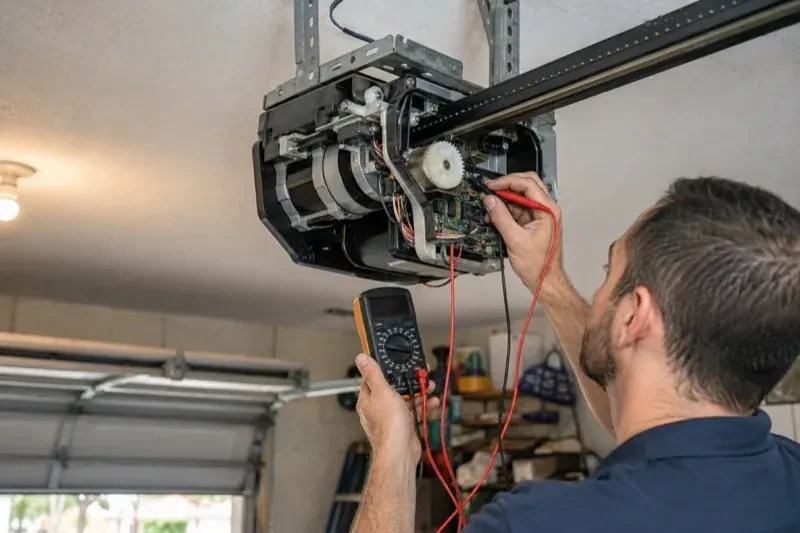 Book soonGarage Door Opener Diagnosis and RepairThe door stops partway up for no reason, or opens fine and then refuses the next time.
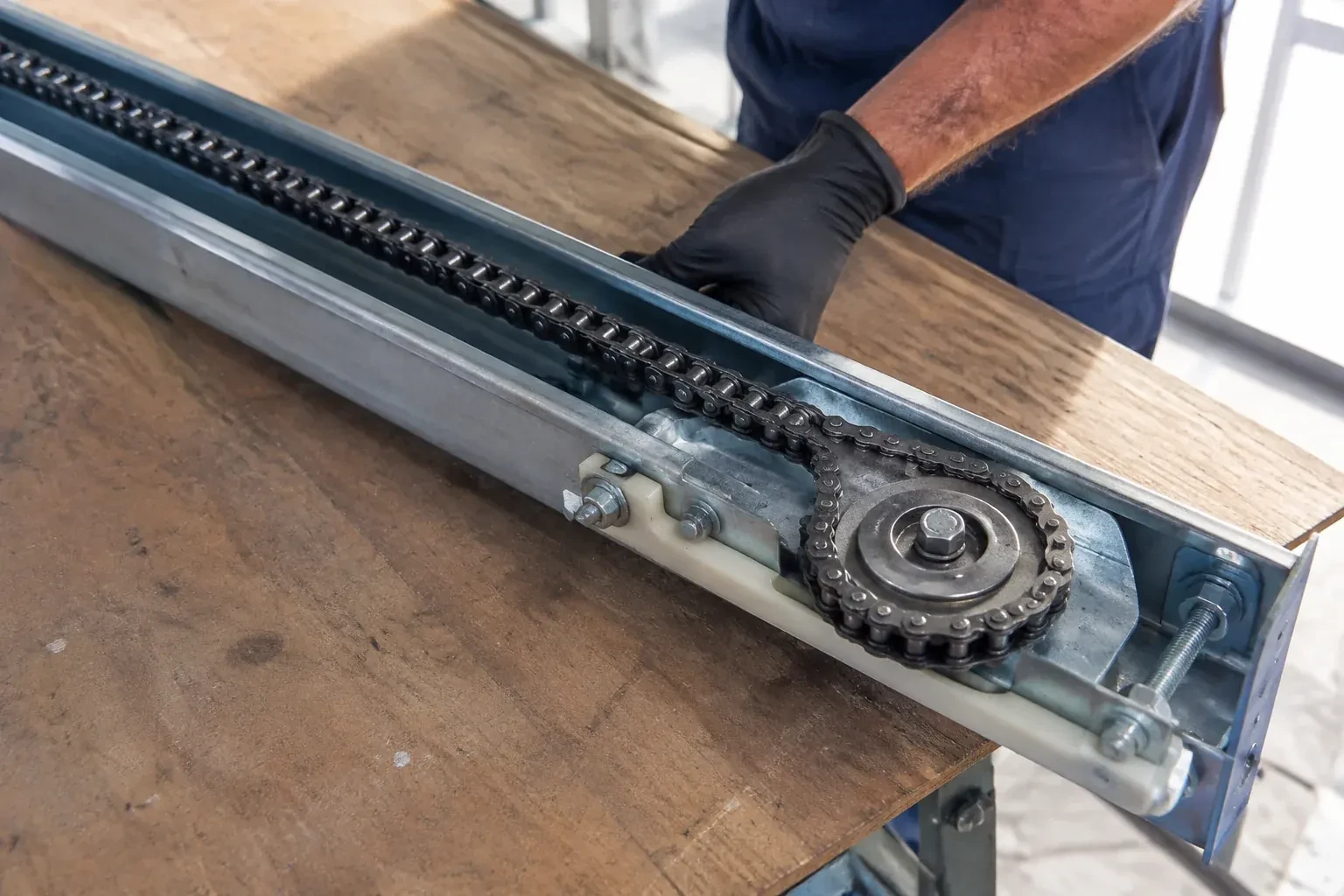 Book soonChain-Drive Opener RepairThe motor runs, you can hear it working, but the door never moves.
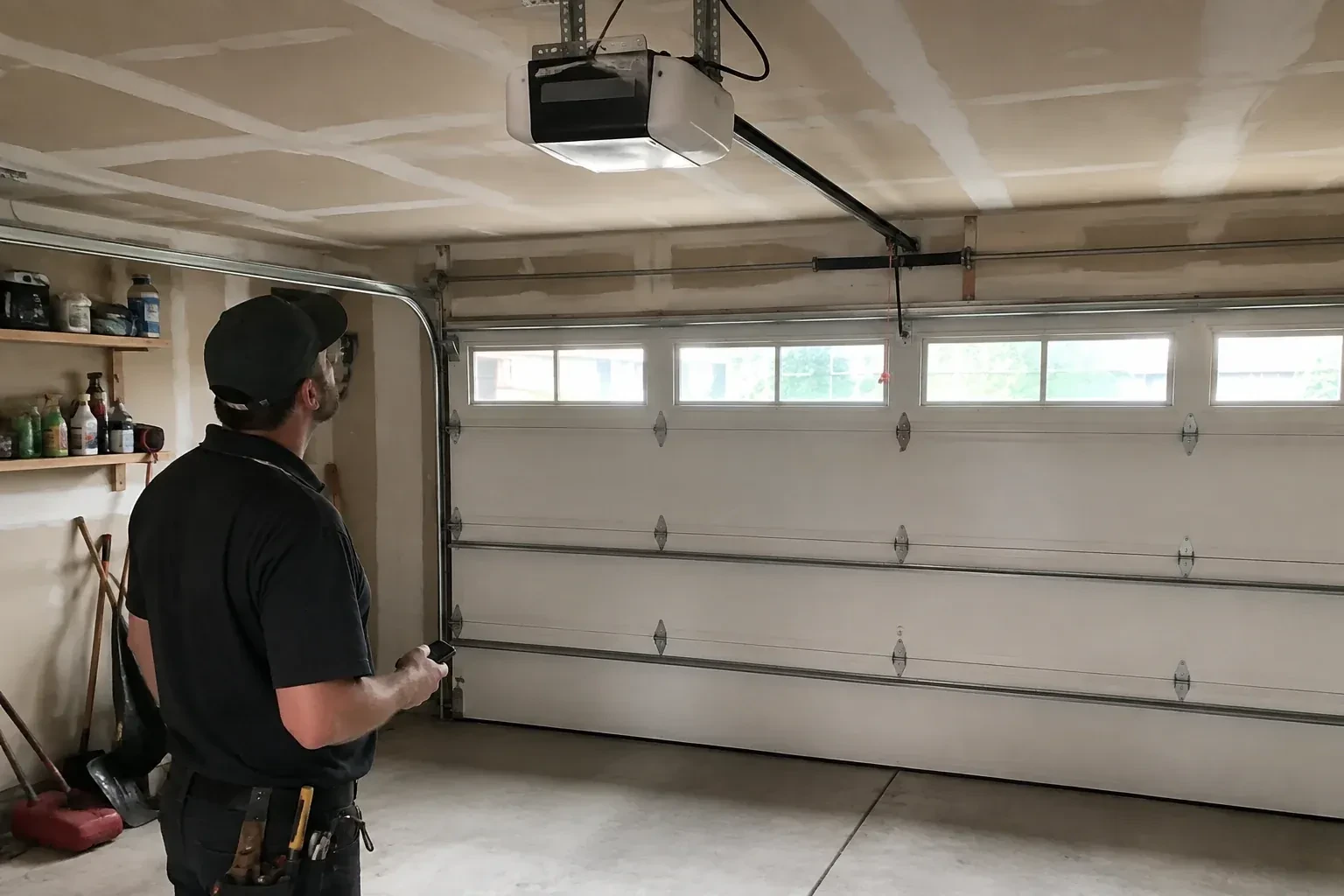 Plan aheadGarage Door Opener Replacement
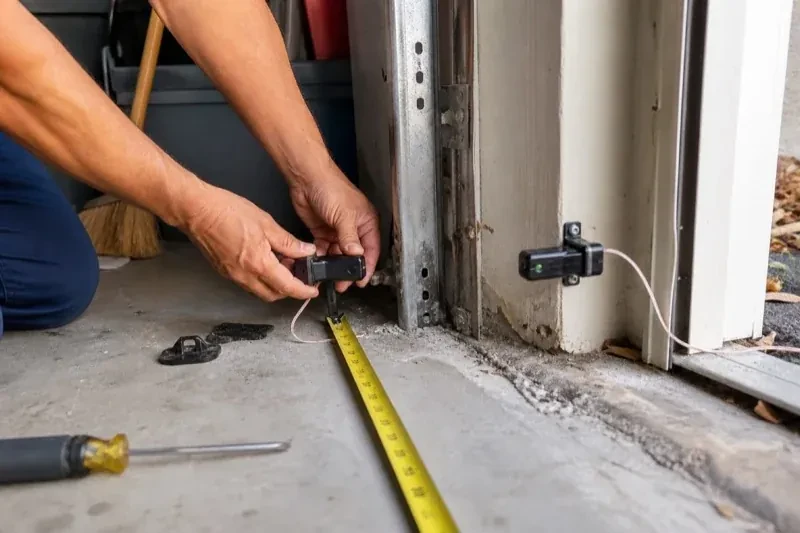 Book soonPhoto-Eye Sensor Alignment or ReplacementThe door will only go down while a finger stays on the wall button; let go and it stops or reverses.
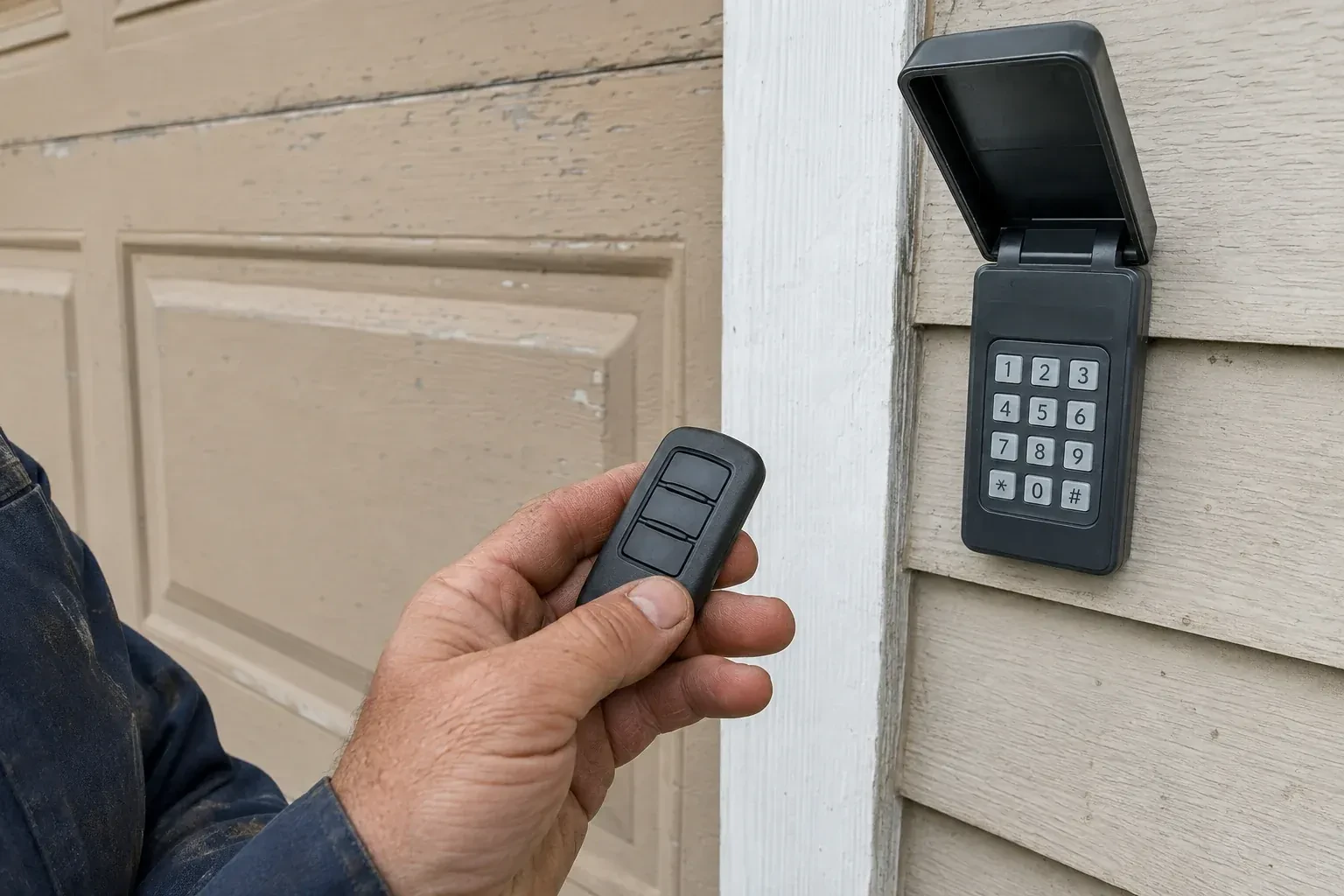 Plan aheadGarage Door Remote and Keypad Programming
Belt-Drive Opener Repair near you
York, Ontario
Ansnorveldt information
- Town
- Ansnorveldt, York, Ontario
- In business
- 27 years
- Hours
- Open 24/7 · nights, weekends and holidays, same fees
- Phone
- (289) 907-1866
- Visits
- On-site assessment preferred. Request a visit or call.
What the census means at the door
38%
Homes of every age. About 38% of homes in King were built in 1980 or earlier, according to the 2021 Census.
In areas with a spread of building periods, garage doors fail for different reasons on the same street: worn pulleys and stretched cables on the older doors, cycle-limit springs and tired opener gears on the newer ones. Knowing which pattern applies shortens the diagnosis.
87%
Mostly houses. Single-detached houses make up about 87% of homes in King (2021 Census).
A detached house with its own garage is a natural fit for upgrades that need space: a jackshaft opener to free the ceiling, a high-lift door for a car hoist, or a wider door when a bigger vehicle arrives. The technician measures the opening and headroom and says what fits.
Open 24/7
Request a visit
Someone tightened the belt last month to stop the sag.
Call now · open 24/7(289) 907-1866- On-site assessment preferred
- Same fees day, night or weekend
- 27 years in business